How Couples Can Keep Their Wedding Reception Running Smoothly
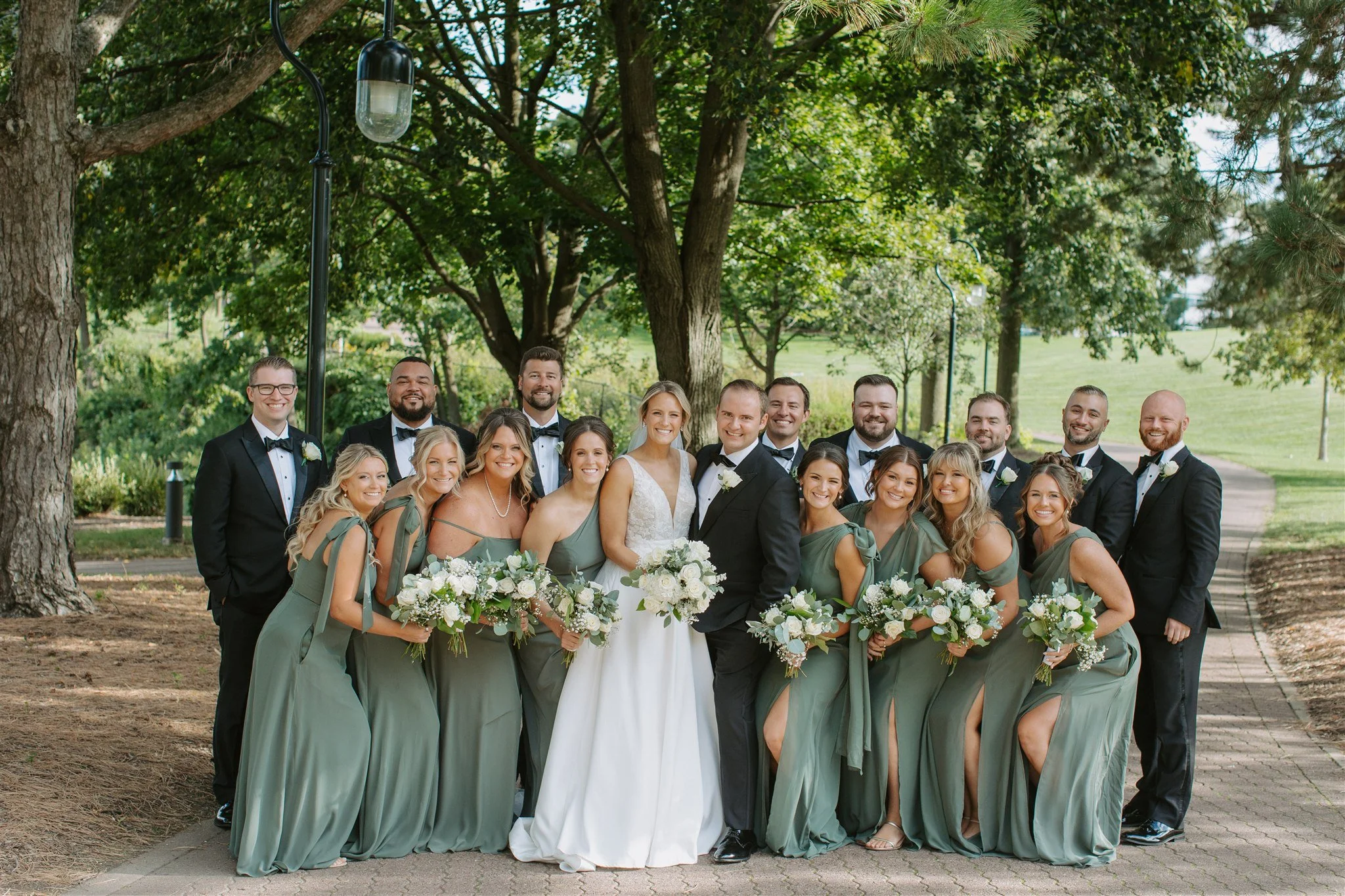
Photo: Krystal Richmond Photography
Quick answer:
A reception stays on track when the venue and timeline are planned together, every vendor works from one shared schedule, the bar is staffed for the actual guest count, and the timeline has small buffers built in for the delays that happen at almost every wedding. None of this requires a rigid schedule. It requires a realistic one.
A smooth wedding reception rarely happens by accident. It comes from thoughtful planning, clear communication between vendors, and a timeline with enough flexibility to absorb the unexpected without anyone noticing.
We've coordinated weddings across Chicago and the surrounding suburbs for years, and we've watched timelines hold together under pressure and watched small issues snowball into real stress. The pattern we keep seeing: receptions that feel the most relaxed almost always share the same foundation, regardless of budget or guest count.
The goal isn't a perfectly rigid schedule. It's a plan that gives vendors clear direction while leaving room to adapt when something doesn't go exactly as expected.
Here's what actually makes the difference, organized by when each decision needs to happen.
Why "Organized" Doesn't Mean "Perfect"
No wedding reception goes exactly according to plan.
A toast runs a few minutes long. A delivery gets delayed. Family photos take longer than expected. Weather forces a last-minute change to an outdoor ceremony. These aren't signs of bad planning. They're just what happens when dozens of people, vendors, and moving parts come together in one evening.
The goal isn't eliminating every possible problem. It's making sure small problems don't turn into major disruptions. The most reliable wedding timelines build in enough breathing room that when something shifts, the plan absorbs it quietly, sometimes without the couple ever finding out something went sideways.
That's what good coordination actually does: creates structure without making the day feel rigid.
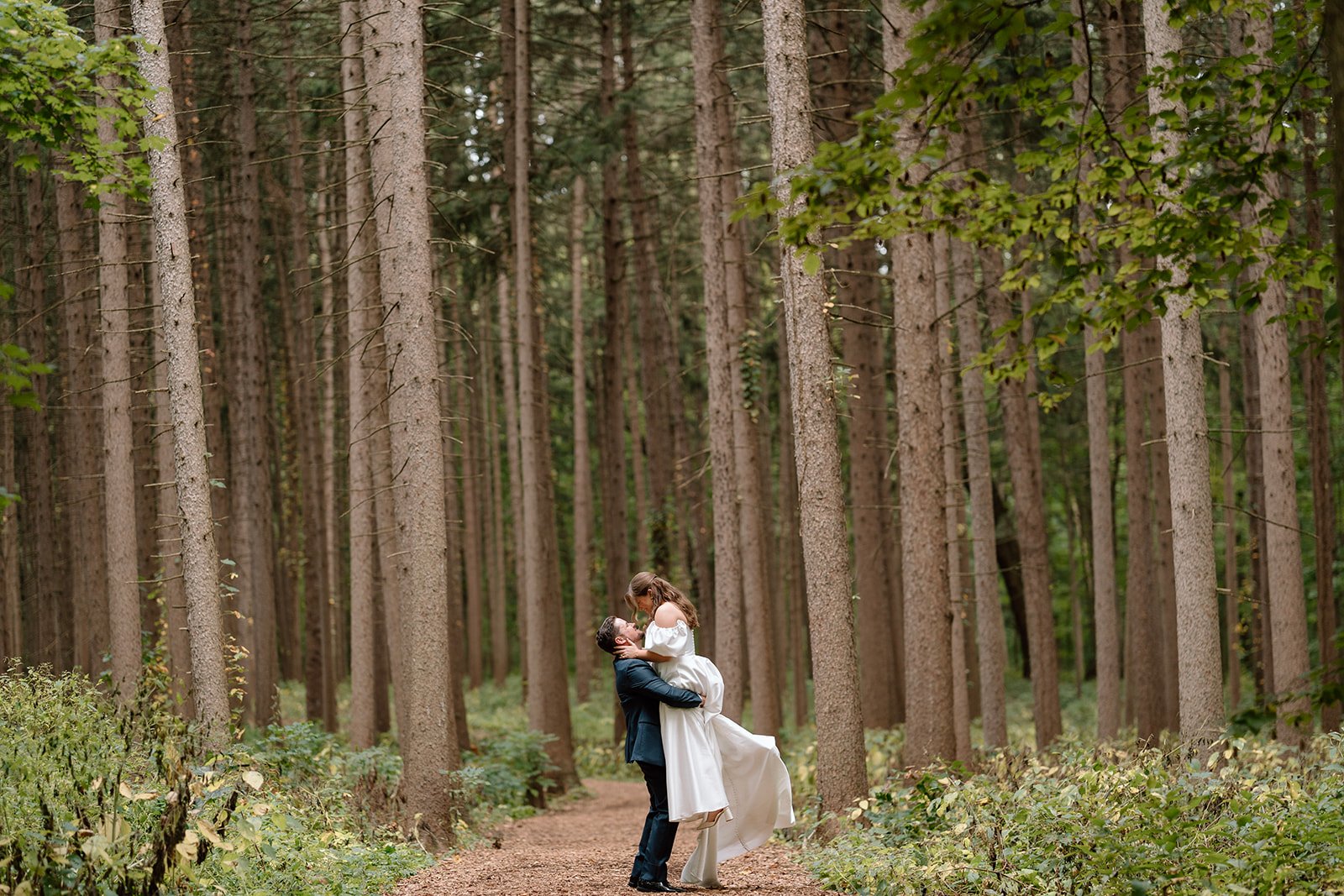
PHoto: Mayah lee photography
Getting the Foundation Right Before the Wedding
Some of the most important decisions for a smooth reception happen months in advance. Your venue, timeline, legal paperwork, and vendor team all set the ceiling for how well everything else can go.
1. Lock In Your Venue and Timeline Together
Your venue shapes your timeline more than almost any other decision, so the two should be planned side by side, not one after the other.
Start by counting how many times guests and vendors will need to move between spaces. A venue that uses separate rooms for the ceremony, cocktail hour, and reception needs extra transition time and extra coordination between vendors at each handoff. A venue where most of the day happens in one or two spaces is often easier to manage simply because there's less to time correctly.
Your venue's backup plan matters just as much. A space with a genuinely built-in rain plan, like Ravisloe Country Club or one of the 14 outdoor ceremony venues we've worked with in the Chicago suburbs, gives you far more flexibility than a venue where "plan B" is an afterthought.
Don't just ask whether a venue has a rain plan. Ask specifically:
Who makes the final weather call, and by when?
How much notice does the venue need to flip the space?
Where does the ceremony actually move to?
Does the change affect cocktail hour or reception setup?
Once the venue is confirmed, build out the major beats of the evening: grand entrance, dinner, toasts, first dance, cake cutting, open dancing, last dance or exit. Give each one a start time and a duration, not just a position in the order. "Toasts" isn't a timeline. "Toasts, 7:15–7:30, three speeches" is something a vendor can actually work from.
2. Get Your Legal Paperwork Out of the Way Early
Marriage licenses aren't the exciting part of wedding planning, but overlooking the requirements creates avoidable stress.
Requirements vary by county in Illinois, and individual offices differ in hours, application steps, waiting periods, and how long a license stays valid once issued. Applying too early can be just as much of a problem as waiting too long.
If you're getting married in Cook County, Lake County, Kane County, Will County, or DuPage County, we've put together county-specific guides covering what to bring, what to expect, and when to apply relative to your wedding date. Handling this a few weeks out, rather than the week of, is one less thing competing for your attention as the wedding gets closer.

photo: a crafted brand
Coordinating Your Wedding Vendor Team
Once the foundation is set, the next priority is making sure everyone working your wedding is operating from the same information.
3. Share One Timeline With Every Vendor
A timeline only works when everyone has the same version of it.
Your venue, photographer, caterer, DJ, and florist shouldn't be working from separate copies of the schedule. It's surprisingly common for one vendor to be working off an early draft while another has an updated version, and neither realizes it until dinner service starts later than the photographer expected.
A useful vendor timeline covers more than the major events. It should include vendor arrival and setup times, room access windows, photography schedules, catering milestones, DJ or entertainment setup, key transitions, vendor contact information, and who's responsible for communicating changes on the day.
This is one of the areas where a day-of coordinator makes a real difference. Instead of the couple tracking every vendor themselves, the coordinator makes sure everyone knows when and where they need to be, and fields the calls if something shifts.
4. Choose Vendors Who Know How to Work Together
A talented vendor can still create friction if they're unfamiliar with your venue or how the rest of your team operates. A DJ who doesn't know your caterer's dinner service timing may not know when to make announcements. A photographer who's never worked at your venue may not know the best spots for portraits or how long transitions typically take there.
These details sound small individually, but they add up across an entire evening.
When interviewing vendors, ask directly whether they've worked at your venue before, and whether they've worked alongside anyone else on your team. It's part of why we enjoy recommending vendors we've worked with ourselves, including venues like The Crawford in Naperville and experienced bar and beverage teams. Familiarity tends to make communication easier once the day actually arrives.
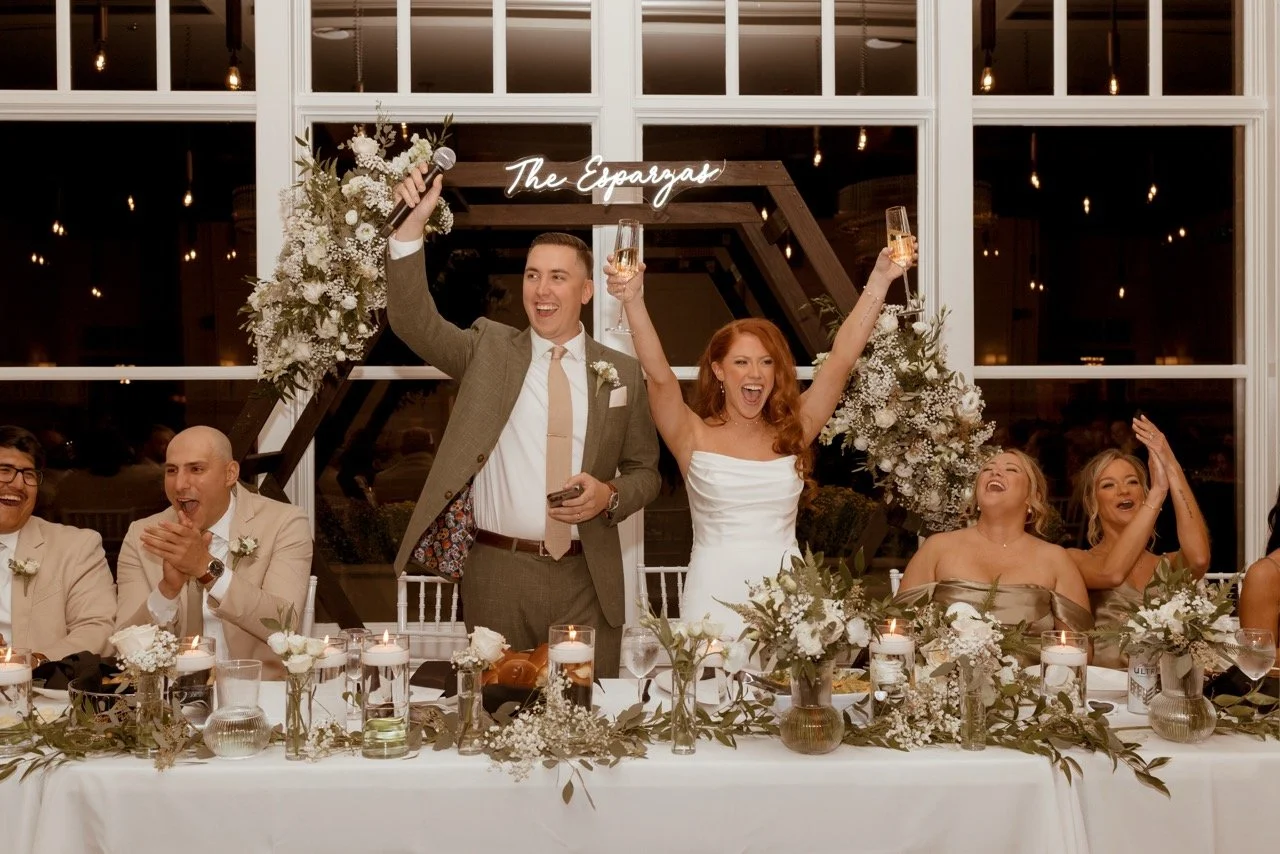
Photo: J. Cate Photography
Designing a Better Guest Experience
A well-organized reception isn't only about keeping vendors on schedule. It's also about making the night feel effortless for the people attending it.
5. Think About How Guests Will Actually Move
Guests shouldn't have to think about where they're supposed to go next.
Map the full guest journey: parking to cocktail hour, cocktail hour to seating, seating to dinner, dinner to the bar and dance floor, and back again. Look for bottlenecks before the wedding day arrives. Is the bar blocking the path to the restrooms? Is the photo booth positioned somewhere that creates a jam? Is the shift from cocktail hour to dinner obvious without anyone announcing it?
Small choices make a real difference here. Clear signage, an easy-to-follow seating chart, and thoughtful placement of high-traffic areas help guests move naturally. Sometimes moving a bar just a few feet is enough to keep a line from crossing a main walkway.
6. Don't Underestimate the Bar
The bar is one of the few places guests interact with your wedding team all night long, which makes staffing it correctly especially important.
A single bartender can reasonably handle around 50 to 75 guests before a line starts to form. Larger receptions typically need a second bartender, and a third becomes worth considering once the guest count reaches roughly 150. Exact needs depend on your guest count, bar setup, drink menu, and service format.
Bar format affects both guest experience and budget. An open bar is the simplest experience for guests, but total consumption is harder to predict. A more limited setup, such as beer, wine, and a couple of signature cocktails, tends to make beverage planning more predictable on both fronts.
If you're still building out your Chicago vendor lineup, this Chicago wedding venues and vendors guide offers useful local context while you're comparing options. We've also had good experiences working with Deluxe Bartending Service, a Chicago-area bartending company that coordinates directly with planners, caterers, and venue teams rather than operating separately from the rest of the day.
Whoever you choose, ask one direct question before booking:how many bartenders do you recommend for our guest count and bar setup? The answer says a lot about how carefully a vendor has actually thought through your reception, not just their standard package.
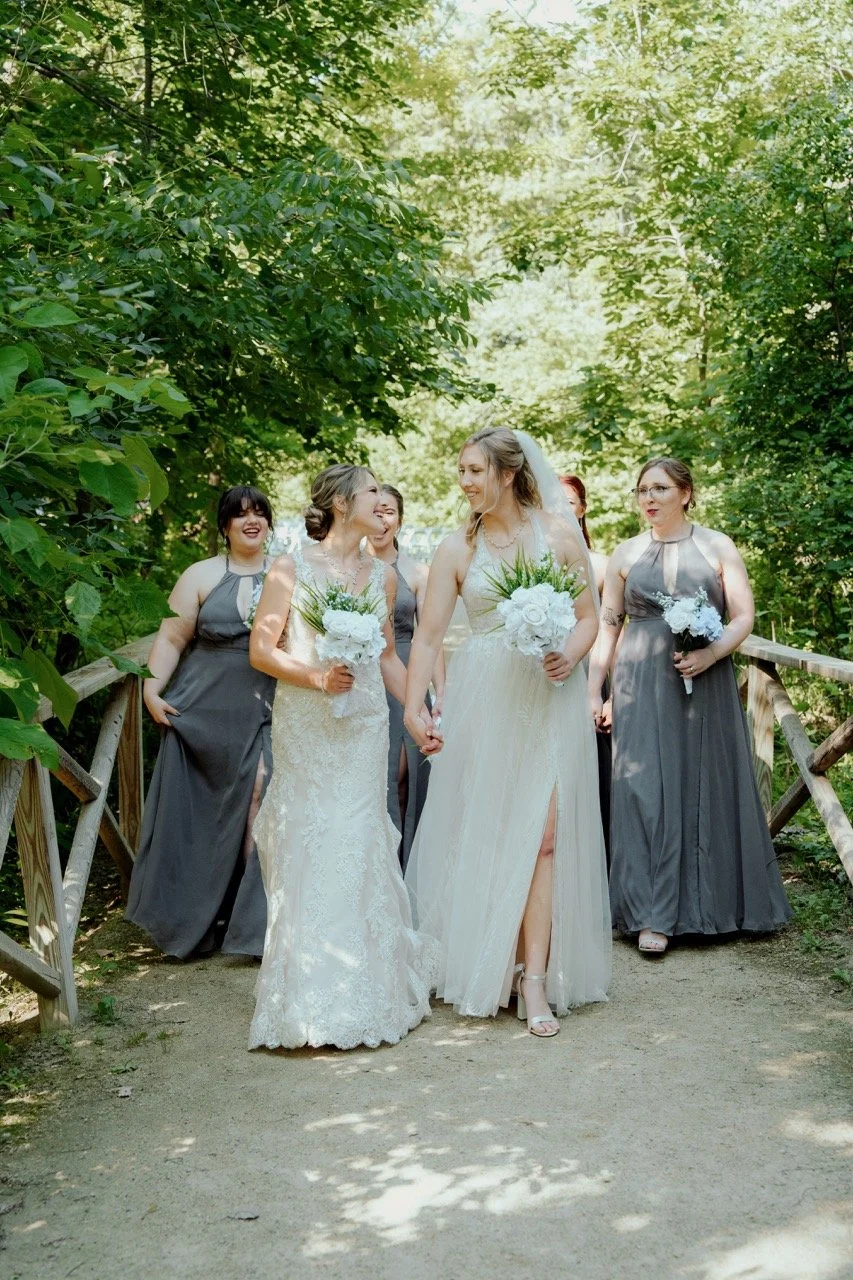
photo: christian rasmussen photography
Handling the Wedding Day Itself
Even the best plan can't account for every variable. What matters is how easily it can adapt when something shifts.
7. Build In Room for the Unexpected
Weather changes. Vendors run late. Family photos take longer than planned. A speech turns into a story nobody wants to interrupt. These things happen at nearly every wedding, regardless of how carefully it was planned.
Instead of scheduling every part of the day back-to-back, build small buffers into the timeline. Even five or ten minutes between major transitions gives a coordinator and vendor team enough room to adjust without pushing every event afterward behind schedule.
This is another reason a venue's backup options matter. If a venue you originally planned to use is no longer available, such as couples affected by the venues similar to the Cuneo Mansion closure, look for a replacement that offers the same flexibility your original venue did.
The goal isn't padding the schedule with large amounts of unused time. It's leaving enough breathing room that one small delay doesn't ripple through the rest of the evening.
8. Let Your Vendor Team Actually Run the Event
Once the reception begins, your job is to enjoy it, not manage it.
If you've built a strong vendor team and everyone understands the timeline, they can handle small changes without constantly looping you in. Your photographer keeps capturing the moments. Your DJ manages announcements and entertainment. Your caterer keeps dinner service moving. Your venue team handles the space. A coordinator connects all of those moving pieces so no single vendor is guessing what another one is doing.
When something changes, the couple shouldn't be the first person every vendor turns to. A well-coordinated wedding gives you the freedom to actually be present with your family and friends instead of tracking what's supposed to happen next.
Photo: the indi collective
Common Questions Couples Ask Us
How far in advance should the reception timeline be finalized?
Most of our couples finalize their detailed, minute-by-minute timeline about two to three weeks before the wedding, once headcounts and vendor details are confirmed. The overall structure of the day should be settled much earlier so vendors have enough time to plan around it.
Do we still need a day-of coordinator if our venue has an in-house coordinator?
Usually, yes, and the two roles are different. A venue coordinator focuses on the venue itself, its staff, spaces, and policies. A day-of coordinator works specifically for the couple, coordinating the broader vendor team across the entire day, not just the parts that touch the building.
What's the most common thing that throws off a reception timeline?
In our experience, photography running long is one of the most frequent causes of delay, followed closely by a bar that wasn't staffed for the actual guest count. Both are avoidable with realistic planning and a bit of built-in flexibility.
Photo: megan magee photography
Planning Your Own Stress-Free Chicago Wedding Reception
A smooth wedding reception isn't about a rigid schedule where every minute goes exactly as written. It's about a realistic plan, reliable vendors, clear communication, and enough flexibility for the unexpected. When your venue, vendors, timeline, and guest flow are all considered together, the reception becomes much easier to manage, and you get to actually experience your wedding instead of running it.
If you're planning a wedding in Chicago or the Chicagoland suburbs and want experienced support keeping everything organized, we'd love to help.

Work With Firmly Rooted Events
At Firmly Rooted Events, we specialize in day-of wedding coordination for Chicago and the surrounding suburbs. From building your timeline to communicating with every vendor to managing logistics on the wedding day, we help keep everything moving so you can focus on celebrating.
Get in touch with Firmly Rooted Events to learn how our day-of wedding coordination services can help you stay focused on the people, moments, and memories that matter most.